
Painters Cape Town Cost Guide: How Much Does It Cost to Paint a House in Cape Town?
In 2026, painting a house in Cape Town typically costs between R60 and R200+ per square metre, with many full-home repaints falling between R15,000 and R45,000 depending on the size of the property, surface condition, access, preparation required and paint quality.
Interior painting usually sits at the lower end of the price range, while exterior painting, roof painting and coastal repainting projects often cost more because they require stronger preparation, weather-resistant coatings and safer access equipment. A home in a sheltered inland suburb, a double-storey property near the coast and an older City Bowl building with cracked plaster will not all cost the same to paint.
This guide explains typical Cape Town painting prices, what drives the cost up, where homeowners often underestimate preparation and how to request a proper itemised quote from Metro Painters Cape Town.
Quick Answer: Cape Town Painting Costs at a Glance
| Job Type | Typical Price Range 2026 |
|---|---|
| Interior painting per m² | R40 – R80 |
| Exterior painting per m² | R60 – R120 |
| Roof painting per m² | R45 – R120 |
| Single standard room | R1,000 – R6,000 |
| Living room | R2,500 – R6,000 |
| Bedroom | R1,500 – R3,500 |
| 3-bedroom house full repaint | R15,000 – R30,000+ |
| Ceiling per room | R500 – R1,500 |
| Doors and trim per item | R200 – R500 |
These figures are planning ranges, not fixed quotes. A proper painting quotation depends on the condition of the walls, ceilings, roof, plaster, previous coating, damp risk, access and the paint system specified.
What You Actually Pay For When Painting a House
When homeowners compare painting quotes, they often look only at the total price. That can be misleading. A cheaper quote may exclude preparation, primer, repairs, damp treatment, difficult access, ceilings, doors, trims or proper exterior coatings. The real value of a painting quote depends on what is included.
1. Size of the Area Being Painted
Most painting work is priced according to surface area, not floor area. Wall height, ceiling height, exterior elevations, gables, boundary walls, roof pitch and the number of rooms all affect the final cost. A double-storey home with high walls and large exterior surfaces will naturally cost more than a small single-storey property.
For a better estimate, walls, ceilings, trims, doors, exterior walls and roofs should be considered separately. This is why Metro Painters Cape Town prefers a site assessment before giving a final quote.
2. Surface Condition and Preparation
Preparation is one of the biggest cost drivers in any painting project. A clean, sound wall may only need washing, minor filling and two coats. A wall with flaking paint, cracks, chalking, stains, damp, old enamel, friable plaster or poor adhesion needs much more work before paint can be applied.
This is where many cheap quotes fail. A low price often means less scraping, less sanding, no primer, thin preparation and cheaper paint. That may look acceptable on completion day, but the paint can fail within months or a few years. Good preparation is what separates paintwork that lasts from paintwork that peels, bubbles or flakes early.
Where moisture is visible, the project may need damp proofing and damp-related preparation before repainting.
3. Paint Quality and Coating Specification
Premium paints cost more per litre, but they usually cover better, resist weather better and last longer. In Cape Town, this matters because paintwork must handle high UV, winter rain, coastal moisture, salt air, wind-driven rain and expansion movement.
For exterior walls, cheap paint is often a false saving. A better coating system may cost more upfront, but it can reduce repainting frequency and protect the surface for longer. For interior walls, the correct washable or moisture-resistant paint may be needed in kitchens, bathrooms, rental properties and high-traffic areas.
4. Access, Height and Safety
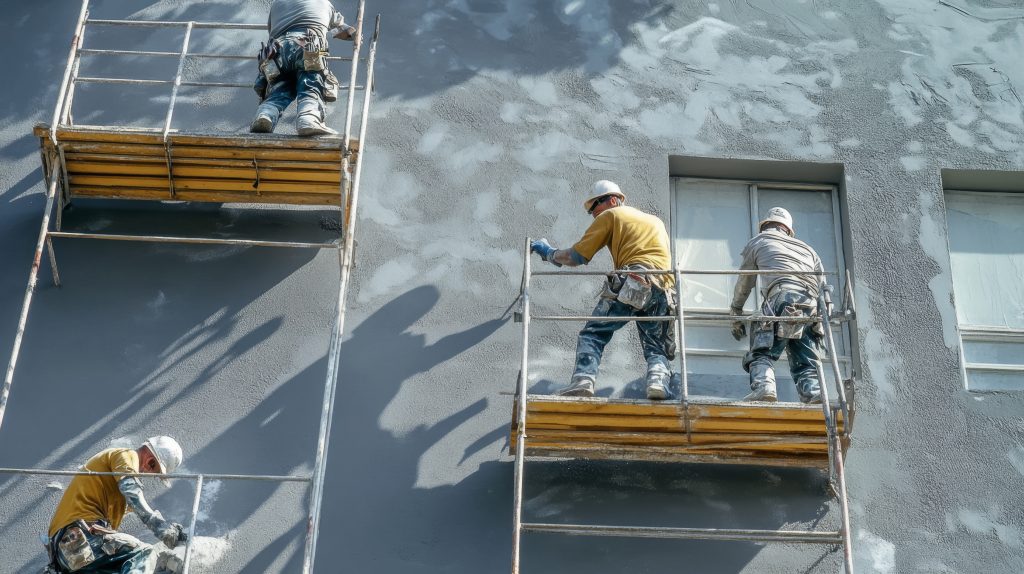
Anything that requires ladders, scaffolding, roof access, high walls, steep sites or tricky rooflines can increase labour and equipment costs. Double-storey homes, apartment blocks, parapets, gables, roofs and commercial properties are usually more complex than single-room interior work.
Safe access is not an optional extra. It forms part of a responsible painting project, especially for roof painting, upper exterior walls and commercial façades.
5. Location and Cape Town Micro-Climate
Cape Town painting costs can vary by area because exposure varies by area. A coastal property along False Bay, a shaded Southern Suburbs home, a wind-exposed City Bowl building and a hot Northern Suburbs roof all have different risks.
In the Cape Town City Bowl, older plaster, slope, wind, parapets and apartment access may affect the scope. In the Southern Suburbs, shade, trees, older walls and damp-prone surfaces often require extra preparation. Along False Bay, salt air, sea mist and wind-driven rain can increase exterior coating requirements. In the Northern Suburbs, heat, UV and roof movement can affect paint performance.
Interior Painting Costs in Cape Town
Interior painting is usually more affordable than exterior painting because access is easier and the surfaces are not exposed to weather. In 2026, interior painting in Cape Town often ranges from about R40 to R80 per square metre, depending on the condition of the walls, number of coats, ceiling work, trim work and paint specification.
A standard bedroom may cost between R1,500 and R3,500, while a larger living room may fall between R2,500 and R6,000. Bathrooms and kitchens may cost more because they often require washable, moisture-resistant or mould-resistant paint.
For more information on room preparation, finishes and interior surfaces, visit our Interior Painters Cape Town page.
Exterior Painting Costs in Cape Town
Exterior painting generally costs more than interior painting because it requires more preparation, stronger coatings and safe access to exposed surfaces. In 2026, exterior painting in Cape Town often ranges from about R60 to R120 per square metre.
Exterior walls are the first line of defence against Cape Town weather. They must handle UV, winter rain, wind, coastal exposure, damp, cracks, chalking and movement. For this reason, exterior paintwork should not be quoted only on price. The preparation and coating system are just as important.
To understand what a proper exterior system includes, visit our Exterior Painters Cape Town page.
Roof Painting Costs in Cape Town
Roof painting in Cape Town can range from about R45 to R120 per square metre, depending on the roof type, roof pitch, access, condition, cleaning required, rust treatment, primer, waterproofing details and coating system.
A low-pitched roof in good condition is usually simpler to paint than a steep, fragile or weather-damaged roof. Roofs close to the coast or exposed to strong sun may also need better preparation and a stronger coating specification.
For more detail, see our Roof Painters Cape Town page.
Commercial Painting Costs in Cape Town
Commercial painting is usually quoted individually because the scope can vary widely. Offices, retail buildings, apartment blocks, complexes, schools, sectional-title buildings and body corporate properties all have different access, timing and preparation requirements.
Commercial painting costs can be affected by after-hours work, tenant disruption, scaffolding, high walls, common areas, phased work, safety requirements and the size of the building. A detailed written scope is especially important for these projects.
Visit our Commercial Painters Cape Town page for more information.
Hidden Painting Costs Homeowners Should Budget For
Some painting costs are not obvious until the property is inspected. A proper quotation should explain these items clearly so that you understand what is included.
- Surface repairs: Crack filling, plaster repairs, damaged corners, loose paint and poor adhesion may need attention before painting.
- Pressure washing: Exterior walls, roofs and weathered surfaces usually need proper cleaning before coating.
- Ceilings, doors and trims: These are often quoted separately from wall painting.
- Primer and undercoat: Bare, patched, stained, chalky or previously poorly painted surfaces may need primers or sealers.
- Damp preparation: Bubbling paint, water stains, efflorescence and soft plaster may require damp-related work before repainting.
- Colour changes: Moving from dark to light colours may require extra coats.
- Access equipment: Scaffolding, ladders and roof safety measures can affect the cost.
DIY Painting Versus Hiring Professional Painters
DIY painting can save labour costs on small interior touch-ups, but full-home painting is different. Professional painters bring better preparation, correct products, safe access, consistent application and a finish designed to last longer.
For small rooms, DIY may be reasonable if the surfaces are in good condition. For exterior walls, roofs, double-storey homes, damp-affected areas, body corporate buildings or properties near the coast, professional preparation and product selection usually justify the cost.
In Cape Town, paint failure is often caused by poor preparation rather than the paint itself. A professional painting company should inspect the surfaces, explain the preparation required and quote accordingly.
How to Get an Accurate Painting Quote in Cape Town
Per-square-metre rates are useful for planning, but they are not a substitute for a site assessment. To get an accurate painting quote, follow these steps:
- Book an on-site assessment: The painter needs to inspect the surface condition, access, damp risk and repairs required.
- Ask for an itemised quotation: The quote should separate walls, ceilings, trims, preparation, materials and special items.
- Confirm the paint brand and number of coats: Two coats of a named quality paint is usually the standard after correct preparation.
- Ask what preparation is included: This is where cheaper quotes often differ from professional ones.
- Compare scope, not only price: The lowest quote is not always the best quote if it excludes preparation, primers or repairs.
How to Save Money Without Compromising Quality
There are sensible ways to reduce painting costs without damaging the final result. The best savings usually come from planning, access and timing rather than cutting preparation or using cheap paint.
- Clear rooms before painters arrive: Moving furniture, curtains and fittings can reduce labour time.
- Paint more areas at once: One larger project can be more cost-effective than several small visits.
- Maintain before surfaces fail completely: Repainting before severe peeling or plaster failure reduces restoration work.
- Choose good paint: Better paint may cost more upfront but can last longer and reduce cost per year.
- Ask for a proper scope: A clear quotation prevents unexpected costs later.
The riskiest saving is accepting the cheapest quote without checking what it includes. A quote that is far below the others may have reduced preparation, reduced coats, cheaper paint or excluded important repairs.
Cape Town Areas We Serve
Metro Painters Cape Town provides painting services across the Metro Painters Cape Town service areas, including the City Bowl, Southern Suburbs, False Bay and Northern Suburbs.
We assist in areas such as Gardens, Tamboerskloof, Oranjezicht, Vredehoek, Constantia, Newlands, Rondebosch, Muizenberg, Fish Hoek, Durbanville, Bellville, Brackenfell and Kuils River.
Get a Free Itemised Quote for Your Cape Town Home
Every home is different, and the only way to know your true painting cost is through an on-site assessment. Metro Painters Cape Town provides free, itemised quotes across the City Bowl, Southern Suburbs, False Bay and Northern Suburbs.
Frequently Asked Questions – House Painting Costs in Cape Town
How much does it cost to paint a 3-bedroom house in Cape Town?
A full repaint of a typical three-bedroom home in Cape Town generally ranges from R15,000 to R30,000 or more. The final cost depends on whether the quote includes interior painting, exterior painting, roof painting, preparation, repairs, damp treatment and paint quality.
Is exterior painting more expensive than interior painting?
Yes. Exterior painting usually costs more per square metre because it requires weather-resistant paint, more surface preparation, safe access equipment and coatings that can handle UV, rain, wind and coastal exposure.
How often should I repaint my house in Cape Town?
Interior paintwork can often last seven to ten years when properly prepared. Exterior paintwork in Cape Town often needs attention every five to eight years, depending on coastal exposure, UV, rain, surface condition and product quality.
Does a painting quote usually include paint?
Some painting quotes include labour and materials, while others are labour-only. Always confirm whether the quote includes paint, primer, preparation materials, number of coats and surface repairs.
Why do painting quotes vary so much?
Painting quotes usually vary because of differences in preparation, paint quality, number of coats, access, repairs, damp treatment and what is included in the written scope. A cheaper quote may exclude important work.
Can damp increase the cost of painting?
Yes. Damp can increase painting costs because bubbling paint, soft plaster, water stains, salt deposits and moisture problems must be addressed before repainting. Painting over damp without preparation usually leads to early failure.